


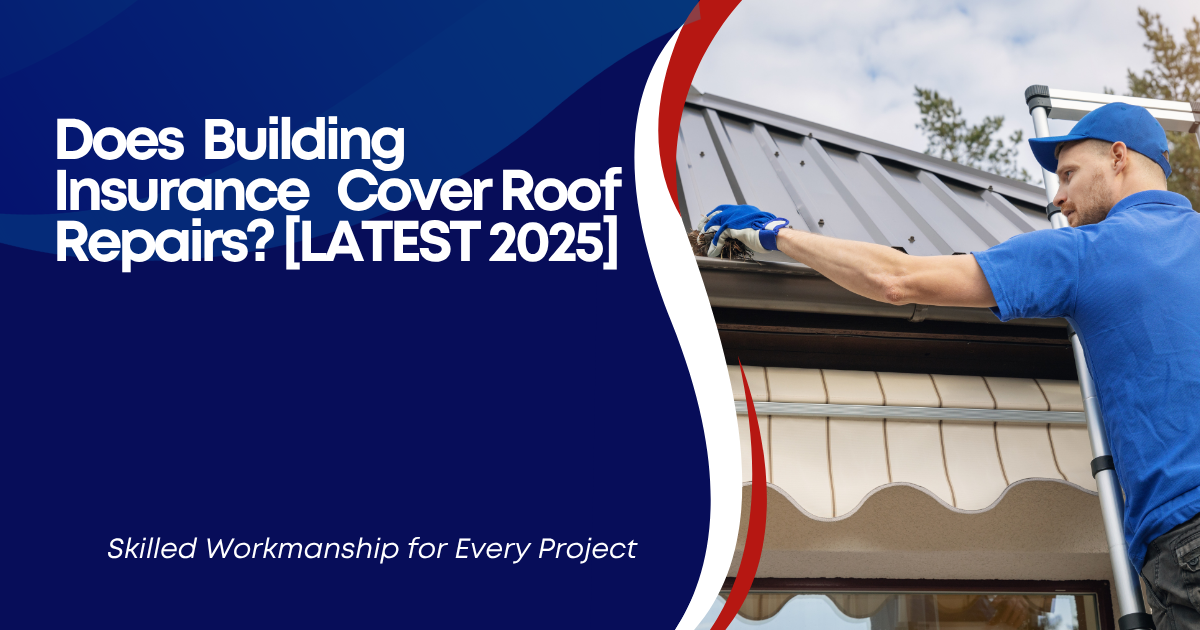
Does Building Insurance Cover Roof Repairs? LATEST 2025.When it comes to maintaining your home, the roof plays a vital role in protecting your property from the elements. However, like any other part of the house, roofs can become damaged over time. One common question homeowners have is whether their building insurance will cover the cost of roof repairs. In this article, we will explain how building insurance works and whether it covers roof repairs.
Building insurance is a type of coverage that protects the structure of your home. It typically covers damage to the walls, floors, roof, windows, and doors of your property, as well as any permanent fixtures like fitted kitchens or bathrooms. Building insurance is usually required by mortgage lenders, as it ensures that the property is protected in case of damage caused by events like fire, flood, storms, or vandalism.
In general, building insurance can cover roof repairs, but this depends on the cause of the damage. If your roof is damaged due to an unexpected event covered under your policy, such as a storm, falling tree, or fire, your building insurance may help cover the repair costs. However, if the roof damage is due to general wear and tear or neglect, it is unlikely to be covered.
Building insurance typically covers roof repairs in the following scenarios:
Building insurance will not typically cover roof repairs in the following situations:
If your roof is damaged and you’re unsure whether your building insurance will cover the repairs, here are some steps you should take:
While building insurance can help cover the costs of roof repairs, prevention is always better than dealing with damage. Here are some tips to help protect your roof:
While building insurance can be a lifesaver when disaster strikes, it’s important to recognize that insurance should not be relied upon as the primary means of dealing with roof issues. Regular roof maintenance is the key to preventing costly repairs and ensuring the longevity of your roof. Many homeowners make the mistake of ignoring small issues, thinking that they are insignificant, but over time, minor problems can turn into major headaches.
Routine inspections can help spot issues such as missing shingles, minor leaks, or areas of wear that could worsen if left unaddressed. By catching problems early, you can avoid the kind of extensive damage that might require expensive repairs that would be covered by insurance. This not only saves you money in the long run but also helps extend the lifespan of your roof.
It’s essential to know what types of roof damage are typically not covered by building insurance. Understanding these exclusions can help you better prepare for potential costs and avoid any confusion if you ever need to make a claim.
Roof replacement is often a more expensive option than simple repairs. If the damage to your roof is extensive, your building insurance may cover the cost of replacing the roof, depending on the specifics of the claim. For example, if a storm significantly damages your roof and it cannot be repaired, the insurance company may offer compensation for the full replacement, subject to your policy’s terms.
However, it’s important to note that the insurance payout for roof replacement may not cover the full cost, especially if your roof is older or has already undergone multiple repairs. Insurance providers may offer compensation based on the current value of the roof, which could be significantly less than what it would cost to replace it with a new one. This is called the “actual cash value” payout, and it’s essential to understand how your insurer calculates this amount.
Alternatively, some policies offer “replacement cost” coverage, which reimburses you for the cost of replacing your roof with a new one, regardless of depreciation. It’s crucial to know which type of coverage you have to avoid any unpleasant surprises in the event of a claim.
In summary, building insurance may cover roof repairs in cases of unexpected damage, such as from storms, fires, or vandalism. However, it will not typically cover repairs due to wear and tear or neglect. To ensure your roof is protected, it’s important to maintain it regularly and review your insurance policy for any exclusions or limitations. By taking proactive steps, you can minimize the risk of roof damage and ensure that you’re adequately covered should something go wrong.
Comments are closed